
Blog
New Subaru WRX: Complete Guide to Performance, Features, and Pricing

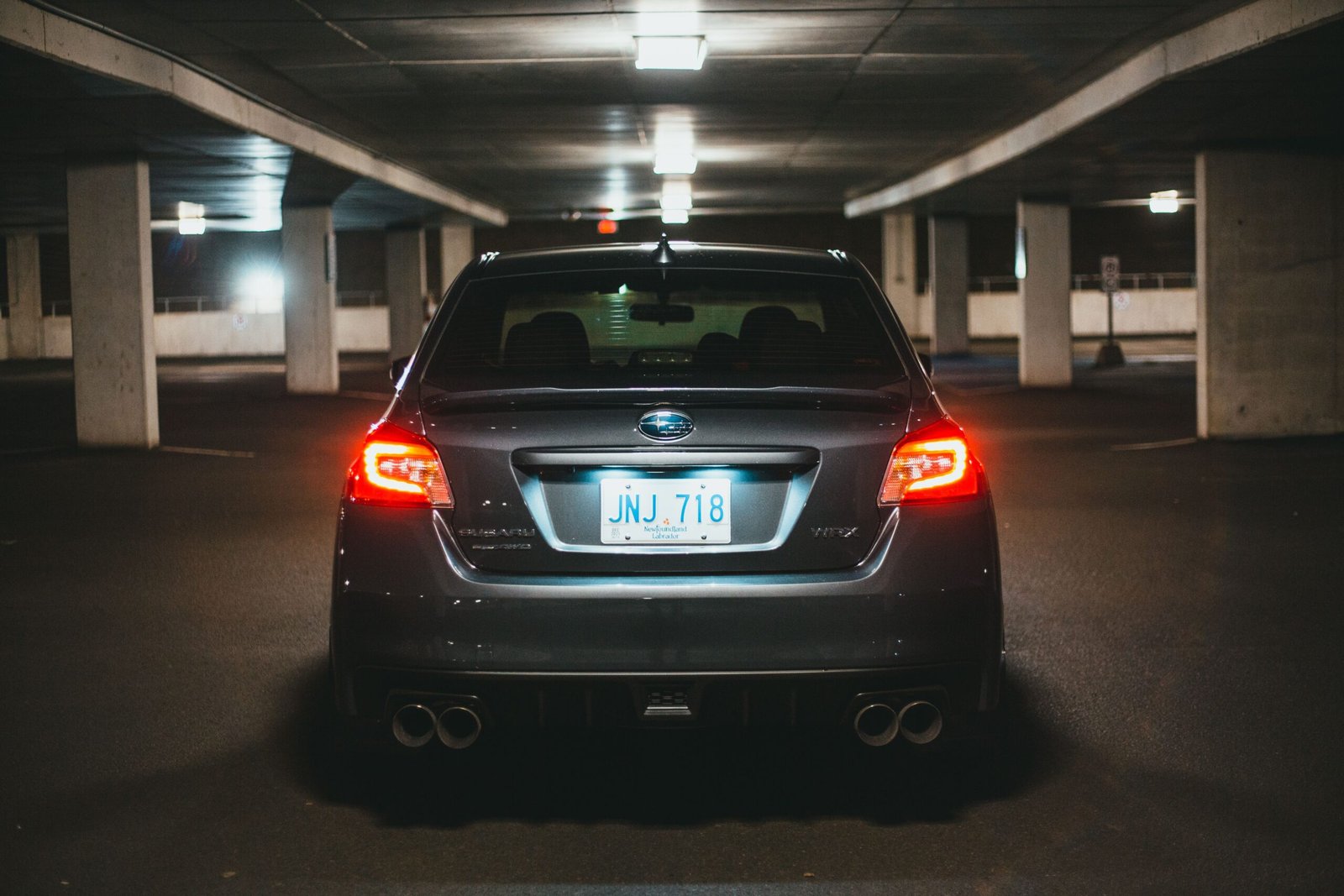
The new Subaru WRX continues a long-standing tradition of combining turbocharged performance, rally-inspired engineering, and everyday practicality in a four-door sports sedan. Designed for drivers who enjoy responsive acceleration, engaging handling, and confident traction, the WRX occupies a distinctive position in the compact performance-car segment. It brings together a powerful horizontally opposed engine, Subaru’s Symmetrical All-Wheel Drive system, a sport-tuned suspension, and a driver-focused cockpit. For people who want something more engaging than an ordinary commuter sedan without giving up the convenience of four doors and useful passenger space, the WRX deserves a closer look. The latest U.S. model, the 2026 Subaru WRX, continues this formula with a 2.4-liter turbocharged BOXER engine, modern infotainment technology, and a range of trim levels designed to accommodate different preferences.
The appeal of the new Subaru WRX goes beyond its engine specifications. Its combination of all-wheel drive, performance-oriented chassis tuning, and available manual transmission makes it relevant to enthusiasts who value driver involvement, while its rear seating, trunk, and modern safety technology give it practical uses outside spirited driving. However, buyers should also consider factors such as fuel consumption, insurance costs, tire replacement, ride comfort, and the difference between standard equipment and features available only on particular trims. Understanding these details makes it easier to determine whether the WRX suits your daily routine, driving preferences, and budget. This comprehensive guide explores its engine, drivetrain, exterior styling, interior, technology, trim lineup, ownership considerations, and frequently asked questions.
4. What Is the New Subaru WRX?
The Subaru WRX is a compact sports sedan developed around the idea that performance and everyday usability can coexist. Its identity is closely connected to Subaru’s rally heritage, with engineering priorities that include traction, responsive steering, turbocharged power delivery, and a chassis designed for enthusiastic driving. Unlike many conventional family sedans, the WRX emphasizes driver engagement through its powertrain and suspension tuning. At the same time, its four-door configuration makes it easier to use for commuting, carrying passengers, and weekend travel than a dedicated two-seat sports car. The 2026 model continues that approach, retaining the WRX’s recognizable performance character while incorporating contemporary driver-assistance and connectivity features.
The 2026 WRX lineup in the United States includes Base, Premium, Limited, GT, tS, and the limited-production Series.Yellow. These versions share the central WRX performance concept, but their equipment and driving characteristics vary. Depending on the trim, buyers can find different seating materials, wheel designs, suspension equipment, braking hardware, and transmission configurations. This distinction matters because the experience of a more comfort-oriented model may differ from that of a trim with electronically adjustable dampers and performance-focused seats. Rather than assuming every WRX includes every advertised feature, shoppers should compare the exact trim and equipment package available in their market.

5. Engine and Performance: Turbocharged BOXER Power


One of the defining characteristics of the new Subaru WRX is its 2.4-liter direct-injection turbocharged SUBARU BOXER four-cylinder engine. In the 2026 U.S. model, this engine produces 271 horsepower at 5,600 rpm and 258 lb-ft of torque at 2,000 rpm. The horizontally opposed layout places the cylinders on opposite sides of the crankshaft, creating the familiar flat-four configuration associated with Subaru’s performance vehicles. A twin-scroll turbocharger helps deliver responsive power, while the broad torque output supports acceleration across a useful range of engine speeds. These specifications give the WRX the performance foundation expected of a modern turbocharged sports sedan, although the actual sensation of acceleration depends on transmission choice, road conditions, tires, altitude, and how the driver operates the car.
The WRX’s power delivery is intended to make the car engaging during everyday driving as well as on suitable performance roads. Turbocharged torque can make highway merging and passing feel more immediate than in a lower-powered naturally aspirated sedan, while the engine’s character rewards drivers who enjoy managing acceleration through the gears. Nevertheless, horsepower alone does not tell the entire story. Traction, gearing, vehicle weight, suspension setup, and steering response all contribute to how a car feels from behind the wheel. Drivers should also remember that spirited acceleration and high-performance use can increase fuel consumption and place greater demands on tires, brakes, and other components. A test drive on familiar roads is therefore a useful way to judge whether the WRX’s engine response matches personal expectations.
6. Subaru Symmetrical All-Wheel Drive and Handling


Subaru Symmetrical All-Wheel Drive is central to the WRX’s character. Unlike a conventional front-wheel-drive sedan, the WRX distributes engine power through an all-wheel-drive system designed to provide traction at all four wheels. This layout can be particularly useful when accelerating on wet pavement or encountering changing road conditions, although available grip still depends on the tires, surface, weather, and driver’s actions. All-wheel drive does not eliminate the possibility of skidding, lengthen-free braking, or replace careful driving. Its main advantage is the ability to help the vehicle put power down across a wider range of conditions when compared with a two-wheel-drive layout using otherwise similar tires and circumstances.
The WRX also features a sport-tuned suspension and quick-ratio steering designed to support controlled responses during cornering. More performance-focused versions, including the GT and tS, add electronically adjustable dampers, allowing the suspension character to be altered according to driving preferences. The tS also includes performance-oriented braking hardware and other chassis-related equipment. These features can appeal to drivers who value a more tailored driving experience, but they are not necessary for everyone. Someone who primarily commutes through traffic may place greater importance on ride comfort and ease of use, while an enthusiast may be more interested in steering response, body control, and braking consistency.
7. Exterior Design and Rally-Inspired Styling


The exterior design of the new Subaru WRX reflects its performance-oriented identity. A prominent hood scoop, broad-looking fenders, an assertive front grille, and sculpted bodywork help distinguish it from a conventional compact sedan. These design elements reference the WRX’s rally-inspired background while giving the current model a contemporary appearance. Wheel designs and exterior details vary across the trim range, so the exact visual character depends on the version selected. Some buyers may prefer the understated appearance of a more basic configuration, while others may be drawn to the larger wheels, distinctive finishes, or additional performance-oriented styling of higher trims.
The 2026 WRX Series.Yellow provides a particularly distinctive appearance through its exclusive Sunrise Yellow paint, matte-black-finish 19-inch wheels, and unique interior accents. Subaru describes this edition as limited to 350 vehicles in the U.S. market. It is based on the tS and includes equipment such as STI-tuned suspension and Brembo performance brakes. Because special-edition vehicles can have limited availability, anyone interested in this version should confirm allocation, equipment, and pricing directly with a local retailer rather than assuming it will be available in every market.
8. Interior, Seating, and Everyday Comfort


Inside, the new Subaru WRX combines a driver-focused layout with the basic practicality expected from a four-door sedan. The cockpit is organized around the steering wheel, instrument display, and central infotainment screen, while sport-oriented seating helps reinforce the car’s enthusiast character. Depending on the trim, the interior may include cloth upholstery, upgraded seat materials, Recaro performance-design front seats, additional convenience equipment, and distinctive accent stitching. These variations are worth examining in person because seat shape and firmness can make a meaningful difference to comfort during longer drives. Drivers should also check visibility, steering-wheel adjustment, passenger space, and ease of reaching the main controls before making a decision.
The WRX is not designed to be a luxury limousine, but its passenger accommodation gives it flexibility beyond weekend performance driving. The sedan seats five, and its trunk offers 12.5 cubic feet of cargo capacity in the U.S. specification. The rear seatbacks fold in a 60/40 split, allowing longer items to be carried when needed. These features make the car suitable for a range of ordinary activities, such as commuting, shopping, and taking a small amount of luggage on a trip. Still, buyers who regularly transport bulky cargo or need maximum rear-seat space should compare the WRX’s dimensions with those of larger sedans, hatchbacks, or crossovers before choosing a vehicle.
9. Infotainment, Connectivity, and Driver-Assistance Technology


Technology is another important part of the latest WRX. The 2026 U.S. model includes an 11.6-inch Subaru Multimedia System touchscreen with wireless Apple CarPlay and Android Auto integration. These smartphone features allow compatible devices to provide access to supported navigation, communication, and entertainment applications. The system helps make the car more convenient for daily use, particularly for drivers who rely on phone-based navigation or streaming audio. Equipment such as premium audio, navigation, and a fully digital instrument cluster depends on trim and configuration, so it is sensible to check the equipment list for the specific vehicle being considered.
Subaru EyeSight Driver Assist Technology is also included across the U.S. 2026 WRX trim lineup. Depending on the system and configuration, its functions include adaptive cruise control with lane centering, pre-collision braking, and lane-related warnings or assistance. These technologies are designed to support the driver, not to replace attention or responsibility behind the wheel. Their operation can depend on road markings, visibility, weather, and other conditions, and drivers should consult the owner’s manual to understand their limitations. The WRX also offers features such as DriverFocus Distraction Mitigation System, while certain trims include additional assistance equipment. Buyers should verify which functions are standard on their particular vehicle and which may be trim-dependent.
10. 2026 Subaru WRX Trims Explained
The WRX trim lineup gives buyers several ways to configure the car around their needs. The Base model provides the essential performance package, including the turbocharged engine, all-wheel drive, manual transmission, and core technology. The Premium adds convenience and appearance upgrades, while the Limited offers additional equipment and a more upscale specification. The GT emphasizes features such as the Subaru Performance Transmission and electronically adjustable dampers. The tS takes a more performance-focused approach with STI-tuned suspension, upgraded brakes, Recaro front seats, and distinctive wheels. Series.Yellow builds on the tS with its limited-edition styling and equipment. Exact specifications and available packages can vary by market and production details, so this overview should be used as a starting point rather than a substitute for the local order guide.

WRX Base
A starting configuration for buyers who want the core turbocharged WRX experience, manual transmission, and standard all-wheel drive without moving immediately to the higher equipment levels.

WRX Premium
Adds convenience and styling equipment, including features such as heated front seats and heated exterior mirrors in the U.S. specification.

WRX Limited
Offers additional comfort and technology equipment, with availability depending on configuration.

WRX GT
Focuses on adjustable driving characteristics and automatic-transmission convenience, with electronically controlled dampers and other premium features.

WRX tS
A performance-focused version with STI-tuned electronically adjustable dampers, Brembo brakes, Recaro front seats, and distinctive 19-inch wheels.

WRX Series.Yellow
A limited-production tS-based edition with exclusive Sunrise Yellow paint, matte-black wheels, and special interior details.
Trim descriptions refer to the 2026 U.S. lineup. Confirm local-market specifications before purchase.
11. Transmission Choices: Manual or Automatic?
Transmission choice is an important consideration when shopping for a new Subaru WRX. In the U.S. lineup, the six-speed manual transmission is standard on the Base, Premium, Limited, and tS models. It gives drivers direct control over gear selection and can appeal to people who enjoy a more involved connection with the engine and drivetrain. The manual option is especially relevant to enthusiasts who value the process of shifting gears as part of the driving experience. However, the best transmission for an individual depends on their comfort with a clutch, traffic conditions, driving habits, and personal preferences. A test drive can help reveal whether the manual’s clutch and shifter suit the driver’s needs.
The Subaru Performance Transmission, a continuously variable automatic transmission with paddle shifters and simulated gear steps, is available on the Limited and standard on the GT in the U.S. lineup. It provides an alternative for drivers who prefer not to operate a clutch pedal, while still offering driver-selectable control through the paddles and manual mode. The precise behavior of this transmission differs from that of a traditional stepped automatic, so drivers should experience it firsthand rather than relying solely on the term “automatic.” Comparing both transmission types in realistic traffic and on open roads can help buyers decide which better fits their daily routine.
12. Fuel Economy and Ownership Costs
Fuel economy is an important part of evaluating any turbocharged performance sedan. The WRX’s consumption will depend on the selected transmission, driving conditions, traffic, weather, fuel quality, and driving style. Turbocharged engines can use significantly more fuel when driven hard, so buyers who frequently accelerate aggressively should not assume that official efficiency estimates will reflect their real-world experience. For the 2026 U.S. WRX Premium with manual transmission, Edmunds lists EPA estimates of 19 mpg city, 26 mpg highway, and 22 mpg combined. Those figures are specific to that configuration and should not be automatically applied to every trim or transmission.
Ownership costs extend beyond fuel. Performance-oriented tires, brakes, insurance, scheduled maintenance, and replacement parts can all affect the total cost of keeping a WRX on the road. Drivers should follow the manufacturer’s maintenance schedule, use the recommended fuel, and pay attention to tire condition and pressures. Those considering a used WRX should also review service records and look for evidence of modifications or demanding use, while arranging an independent inspection when appropriate. A sensible ownership budget includes both predictable expenses, such as routine servicing, and a reserve for unexpected repairs. The exact cost will vary with location, mileage, insurance profile, workshop rates, and the condition of the vehicle.
13. New Subaru WRX Price and Buying Considerations
The purchase price of the new Subaru WRX depends on model year, trim, destination charges, taxes, dealer pricing, and the country in which it is sold. In the U.S., Subaru announced a 2026 starting MSRP of $32,495 before applicable destination charges, taxes, and other costs. Other trims cost more because of their additional equipment, and the final transaction price may differ from the published MSRP. Buyers should therefore distinguish between a manufacturer’s suggested retail price and the actual out-the-door price offered by a retailer.
When comparing vehicles, consider the total package rather than focusing exclusively on the starting price. A lower trim may provide the essential engine and drivetrain characteristics, while a more expensive version may add equipment that matters to a particular driver. Compare the features you will genuinely use, the cost of insurance, expected fuel consumption, financing terms, warranty coverage, and local servicing arrangements. If you are buying outside the United States, check the official Subaru distributor in your country because model names, equipment, powertrain options, and pricing can differ. The most useful buying decision is one based on the actual vehicle specification and a realistic ownership budget.
14. New Subaru WRX vs. Other Sport Sedans
The WRX competes in a segment where buyers may also consider front-wheel-drive hot hatches, rear-wheel-drive sport sedans, and other compact performance cars. Its standard all-wheel drive and turbocharged engine distinguish its engineering approach, while the availability of a manual transmission gives it a feature that some enthusiasts specifically seek. Other vehicles in the segment may emphasize different priorities, such as lower weight, a hatchback body style, rear-wheel-drive handling, interior refinement, or fuel efficiency. Because each car has its own strengths and compromises, a useful comparison should focus on the factors that matter most to the buyer rather than assuming that all performance vehicles deliver the same experience.
A fair comparison should use vehicles from similar model years and price ranges, with attention to actual trim equipment. Evaluate acceleration and handling through credible instrumented tests and road reviews, but also compare ride quality, visibility, passenger room, cargo capacity, infotainment usability, warranty terms, and running costs. For shoppers who need all-wheel drive and want an enthusiast-oriented sedan, the WRX’s layout may be particularly relevant. Drivers who prioritize other characteristics may find that a different body style or drivetrain better matches their needs. A back-to-back test drive is an effective way to understand those differences.
15. Is the New Subaru WRX Suitable for Everyday Driving?
The WRX can serve as an everyday vehicle because it combines four doors, seating for five, a usable trunk, modern connectivity, and driver-assistance technology with its performance-oriented hardware. These qualities make it more versatile than a narrowly focused sports car that sacrifices passenger access or storage. The all-wheel-drive system can also be useful in certain low-traction conditions, provided the car is fitted with appropriate tires and driven carefully. For people who commute during the week and enjoy more engaging driving on weekends, this combination may be appealing. However, everyday suitability is personal: seat comfort, suspension firmness, cabin noise, visibility, parking space, and traffic conditions can all affect satisfaction.
Potential buyers should be realistic about the compromises of a performance sedan. A sport-tuned suspension and performance tires may feel firmer than the setup in a comfort-focused family car, while fuel consumption can rise during enthusiastic driving. The manual transmission may be enjoyable for some drivers but less convenient for others who face heavy stop-and-go traffic. Before purchasing, spend enough time in the car to assess seating comfort, controls, rear-seat access, and ride quality on the types of roads you normally use. That practical evaluation can be more revealing than a specification sheet alone.
16. Conclusion
The new Subaru WRX remains a distinctive option for drivers who want a turbocharged sports sedan with standard all-wheel drive, engaging driving characteristics, and practical four-door usability. The 2026 U.S. model combines a 271-horsepower 2.4-liter BOXER engine with a choice of manual or automatic-style transmission configurations, a sport-tuned chassis, modern infotainment, and a broad trim lineup. Higher-specification versions add equipment such as electronically adjustable dampers, Recaro seats, and upgraded braking hardware, while the Series.Yellow edition brings a more exclusive appearance. Together, these features give buyers several ways to approach the WRX formula, from a core performance-focused configuration to a more extensively equipped version.
Whether the WRX is the right car depends on what you expect from a daily driver and performance vehicle. Its traction-focused drivetrain, turbocharged power, and enthusiast-oriented engineering may appeal to drivers who value those characteristics, while fuel use, ride firmness, and ownership costs deserve careful consideration. Research the exact model and trim sold in your region, compare the available transmission choices, check current pricing, and arrange a thorough test drive. With those steps, shoppers can make an informed assessment of how the Subaru WRX fits their driving needs and budget.
17. Frequently Asked Questions About the New Subaru WRX
1. What is the newest Subaru WRX model?
The 2026 Subaru WRX is the current model year covered in this article. Its U.S. lineup includes Base, Premium, Limited, GT, tS, and Series.Yellow versions. Subaru has also teased special limited-edition 2027 WRX models, with further details expected at a later reveal.
2. How much horsepower does the 2026 Subaru WRX have?
The 2026 U.S. Subaru WRX produces 271 horsepower and 258 lb-ft of torque from its 2.4-liter turbocharged BOXER four-cylinder engine.
3. Does the new Subaru WRX have all-wheel drive?
Yes. The 2026 U.S. WRX comes standard with Subaru Symmetrical All-Wheel Drive, which helps distribute power to all four wheels and supports traction in changing road conditions.
4. Is the Subaru WRX available with a manual transmission?
Yes. A six-speed manual transmission is standard on the U.S. Base, Premium, Limited, and tS trims. The Subaru Performance Transmission is available on the Limited and standard on the GT.
5. How many people can the Subaru WRX seat?
The 2026 U.S. WRX is a four-door sedan with seating for five people. Actual comfort depends on passenger size and seating position.
6. Is the Subaru WRX practical for daily driving?
It can be practical for drivers who want a performance-oriented sedan that also provides four doors, rear seating, a trunk, and modern technology. Its firmer suspension tuning, fuel consumption, and manual-transmission availability should be considered when assessing everyday comfort.
7. What is the fuel economy of the new Subaru WRX?
Fuel economy varies by trim, transmission, and driving conditions. For example, the 2026 WRX Premium with manual transmission is listed by Edmunds at 19 mpg city, 26 mpg highway, and 22 mpg combined under EPA estimates.
8. What is special about the Subaru WRX tS?
The U.S. 2026 WRX tS features STI-tuned electronically adjustable dampers, Brembo performance brakes, Recaro performance-design front seats, and distinctive 19-inch wheels.
9. What is the Subaru WRX Series.Yellow?
Series.Yellow is a limited-production 2026 U.S. WRX based on the tS. It features exclusive Sunrise Yellow paint, matte-black-finish 19-inch wheels, special interior details, and performance-oriented equipment. Subaru announced production of 350 vehicles for this edition.
10. How much does the new Subaru WRX cost?
Subaru announced a U.S. starting MSRP of $32,495 for the 2026 WRX before applicable destination charges, taxes, and other costs. Actual pricing depends on trim, retailer, location, and vehicle availability.
11. Does the Subaru WRX have Apple CarPlay and Android Auto?
Yes. The 2026 U.S. WRX includes an 11.6-inch multimedia touchscreen with wireless Apple CarPlay and Android Auto integration.
12. Is the new Subaru WRX available in every country?
Availability and specifications vary by market. Buyers should check their country’s official Subaru website or authorized retailer for current model-year details, trim names, equipment, and pricing.


The phrase “Aurora CO shootings” is commonly used by people searching for information about gun violence, police investigations, emergency responses, and public safety in Aurora, Colorado. When a shooting is reported, residents and people following local news may want to know where the incident happened, whether anyone was injured, whether a suspect has been identified, and whether authorities believe there is an ongoing threat. Understanding these reports requires attention to verified information, because early accounts can change as investigators gather evidence, interview witnesses, and release additional details. This article explains how to follow Aurora shooting news, understand police announcements, find public safety resources, and consider the broader effects of gun violence on individuals and communities.
Editorial note: current news and verification
This article includes reporting available as of September 19, 2026. It distinguishes reported incidents from allegations and confirmed investigative developments. The circumstances of individual cases can change, so readers should check the latest official updates before relying on information about a particular incident.
Latest Aurora CO shooting news and reported incidents
Recent reports illustrate why it is important to distinguish between separate incidents rather than treating every shooting in Aurora as part of one event. On September 15, 2026, The Sentinel reported that two women were seriously injured in a shooting at a convenience store near Havana Street and Alameda Avenue. According to the report, a sedan pulled alongside the victims’ vehicle, a possible argument occurred, and someone in the sedan opened fire as the women attempted to leave. Their injuries were described as serious but not life-threatening, and investigators were following leads.
Another reported incident occurred at the Town Center of Aurora mall. According to The Sentinel’s September 16 report, gunfire broke out between two vehicles in the parking lot, leaving one man with a gunshot wound to his hand. Police were searching for information and suspects, and one person in the targeted Subaru was arrested on an unrelated outstanding warrant. These details relate to that particular investigation and should not be assumed to describe other shootings in the city.
Aurora news coverage has also included incidents involving law enforcement. In a September 2, 2026 report, Colorado Public Radio described a lawsuit brought by the family of Rajon Belt-Stubblefield, who was fatally shot by an Aurora police officer in August 2025. The report stated that the officer had been indicted on murder and manslaughter charges. The family’s allegations in the civil lawsuit and the criminal proceedings are distinct matters, and allegations should not be presented as established findings before the relevant legal processes conclude.
These examples show why readers should check the date, location, source, and investigative status of every report. A headline may describe an initial police response, while a later update may clarify injuries, arrests, whether the event was targeted, or whether a threat remains. Readers should avoid sharing names, accusations, or unverified social media claims as facts, particularly while an investigation is active.
How to find verified Aurora shooting reports
When searching for Aurora Colorado shooting news, begin with reliable sources that identify where their information comes from. The Aurora Police Department’s official news page provides announcements about investigations, arrests, public safety matters, and other department activities. Local news organizations can provide additional reporting, interviews, and context, but it is useful to compare their accounts with official statements and note when a story relies on preliminary information.
Aurora Police Department news
Official police announcements and investigation updates.
Visit APD News
City of Aurora public safety
Emergency services, police contacts, and public safety information.
Visit Public Safety
When reading a report, look for the publication date, the time and location of the incident, the agency providing the information, and whether the article has been updated. Pay particular attention to language such as “police said,” “investigators believe,” “according to witnesses,” or “the investigation remains active.” These phrases communicate the source and status of a claim. An arrest does not by itself establish guilt, and a preliminary description of an incident may change as more evidence becomes available.
Understanding police investigations after a shooting
A shooting investigation can involve several stages, including securing the scene, providing medical assistance, collecting physical evidence, interviewing witnesses, reviewing available video footage, and identifying people who may have relevant information. Investigators may also examine the circumstances leading up to the incident and whether the shooting appears to have been targeted, connected to another crime, or still unexplained. The information released to the public can be limited while detectives work, and authorities may withhold certain details to protect the investigation or the people involved.
For readers following Aurora shooting investigation updates, it is helpful to distinguish between a person being questioned, a person of interest, an arrested suspect, a person formally charged, and a person convicted in court. These terms describe different stages and do not mean the same thing. A responsible news article should use the terminology reported by authorities or court records, identify the source, and update its wording when the case progresses. It should also avoid presenting rumors about motives, relationships, or responsibility as established facts.
Public safety and what residents should know
Public safety information is particularly important when reports of gunfire are developing. People who may be near an active incident should follow instructions from emergency personnel, move away from danger when it is safe to do so, and avoid approaching a police perimeter or interfering with first responders. Residents should rely on official emergency communications for instructions about closures, sheltering, evacuations, and whether an area has been secured. A report of gunfire does not automatically mean that every part of Aurora is affected, so the specific location and the latest verified instructions matter.
The City of Aurora provides public safety information and contact details for emergency and non-emergency situations. Its public safety page instructs people to call 911 in an emergency and lists 303-627-3100 for non-emergency dispatch.
Important Aurora public safety contacts
Emergency
911
For an immediate emergency or urgent threat.
Non-emergency dispatch
303-627-3100
For non-emergency police dispatch matters.
Source: City of Aurora Public Safety. Call 911 for emergencies, not for routine requests for news updates.
The impact of shootings on the Aurora community
The consequences of a shooting can extend beyond the people who are physically injured. Families may experience grief, uncertainty, financial pressure, and the challenges of supporting loved ones through recovery. Witnesses and nearby residents may also experience fear, disrupted routines, and concerns about returning to places associated with an incident. Local businesses can face temporary closures or reduced customer activity, while schools and community organizations may need to communicate with families and provide support when an incident affects their area.
Community responses can include vigils, support for affected families, public meetings, violence-prevention initiatives, and cooperation with investigators. These responses vary from incident to incident and should be described using specific, verifiable information rather than broad assumptions about what all residents believe. When writing about Aurora shooting incidents, it is important to treat victims and families with dignity, avoid unnecessary graphic details, and recognize that people directly affected may need privacy as well as practical support.
8. Shooting prevention and community-based responses
Preventing gun violence is a complex public safety issue that can involve law enforcement, community organizations, schools, health and social services, residents, and policymakers. Possible approaches include responding to threats, supporting people at risk of violence, improving access to conflict-resolution services, strengthening relationships between residents and public agencies, and evaluating programs intended to reduce violent incidents. The effectiveness of any particular approach should be assessed using credible evidence and clearly defined outcomes rather than assumptions or isolated anecdotes.
Aurora’s public safety information includes a Youth Violence Prevention Program, reflecting the city’s inclusion of youth-focused prevention within its public safety resources. Readers interested in prevention can use city resources to learn about local programs and initiatives, while recognizing that the existence of a program alone does not establish its effectiveness.
9. Responsible reporting about Aurora CO shootings
Accurate reporting is essential when an incident involves injuries, deaths, criminal allegations, or an ongoing investigation. Writers should verify the location and date, identify whether information comes from police, court documents, witnesses, or other sources, and clearly distinguish confirmed details from claims that remain under investigation. Headlines should accurately reflect the article’s contents without exaggerating the level of danger or suggesting that unrelated incidents are connected.
It is also important to consider the privacy and dignity of victims, survivors, witnesses, and family members. Avoid publishing personal details that are not necessary to explain the event, and do not use graphic imagery simply to attract attention. If an article is updated, the writer should make meaningful corrections visible and ensure that older claims are not left in place after authorities release new information. These practices help readers understand what is known, what remains uncertain, and where they can find further verified updates.
10. Frequently asked questions about Aurora CO shootings
1. Where can I find the latest Aurora CO shooting news?
You can check the Aurora Police Department news page for official announcements and follow established local news organizations for additional reporting. Check publication dates and subsequent updates to ensure you are reading the most recent available information.
2. Have there been recent shootings in Aurora, Colorado?
Yes. News reports published in September 2026 described separate shooting incidents, including a convenience-store shooting that injured two women and gunfire in the parking lot of Town Center of Aurora. The details and investigative status differ between cases.
How can I find out whether a shooting suspect has been arrested?
Review official police announcements and reliable follow-up reporting. An arrest, a criminal charge, and a conviction are different legal stages, so check exactly what authorities or court records have confirmed.
What should I do if I hear gunshots nearby?
If you believe there is an immediate threat, move away from danger if you can do so safely, follow instructions from emergency personnel, and call 911 when it is safe. Avoid approaching the scene or spreading unverified information.
5. What is the Aurora Police Department’s non-emergency number?
The City of Aurora lists 303-627-3100 for non-emergency dispatch. For an immediate emergency, call 911.
Are all shooting incidents in Aurora connected?
No such conclusion should be drawn without evidence. Each incident needs to be assessed independently unless investigators establish a connection between cases.
How can residents help with a shooting investigation?
Residents who have relevant information can follow the instructions in the official police announcement for the specific incident. Share information directly with investigators rather than posting unverified accusations online.
How can I write responsibly about shooting incidents?
Use reliable sources, include dates and locations, distinguish allegations from established facts, respect victims’ privacy, and update the article when new verified information becomes available.
Conclusion
Aurora CO shootings remain an important subject for people seeking local news, verified police information, and a clearer understanding of public safety concerns in Aurora, Colorado. Recent reports demonstrate why each incident should be examined individually, with careful attention to its location, circumstances, reported injuries, and investigative status. Readers can make better-informed decisions by consulting official announcements, comparing reliable news coverage, and recognizing the difference between preliminary reports and confirmed developments. At the same time, responsible discussion of gun violence should acknowledge its effects on victims, families, witnesses, and neighborhoods without relying on speculation or sensationalism. By prioritizing accuracy, respectful reporting, and access to trustworthy safety resources, writers can create useful content that informs the public and supports a better understanding of the issues facing the community.
12. Additional SEO recommendations
To strengthen the article’s usefulness and search visibility, consider adding the following elements when publishing:
Internal links: Link to related articles about Aurora public safety, Colorado crime reporting, emergency preparedness, and community resources.
Source links: Link directly to official police announcements and the original reporting for each incident discussed.
Freshness updates: Review the article when authorities release meaningful new information. Add an accurate “Last updated” date only when the content has actually been reviewed.
Descriptive headings: Use headings that explain the subject of each section rather than repeating the primary keyword unnecessarily.
Reader-focused content: Make it easy for readers to distinguish breaking news, background information, emergency guidance, and long-term prevention topics.


- Law3 months ago
How Justin Billingsley Supports Greene Law’s Operations
- Business3 months ago
Business Storage Ideas: Secure, Affordable, and Scalable Solutions
- Tech3 months ago
Sparx Science: The Complete Guide to Interactive Science Learning, Features, Benefits, and Student Success
- Blog3 months ago
Gail Ernst: Everything You Need to Know
- Tech3 months ago
How to Resolve Couldn’t Verify Mi Account ID Errors on Xiaomi Devices
- Lifestyle3 months ago
Itzhak Ezratti Wife: Everything Publicly Known About His Family, Marriage, and Private Life
- Business3 months ago
How to Choose the Perfect Business Casual Shoes for Work
- Sports3 months ago
Endrick Career Journey: From Youth Talent to Global Football Star