
World
Why Sacramento Is One of California’s Most Exciting Cities

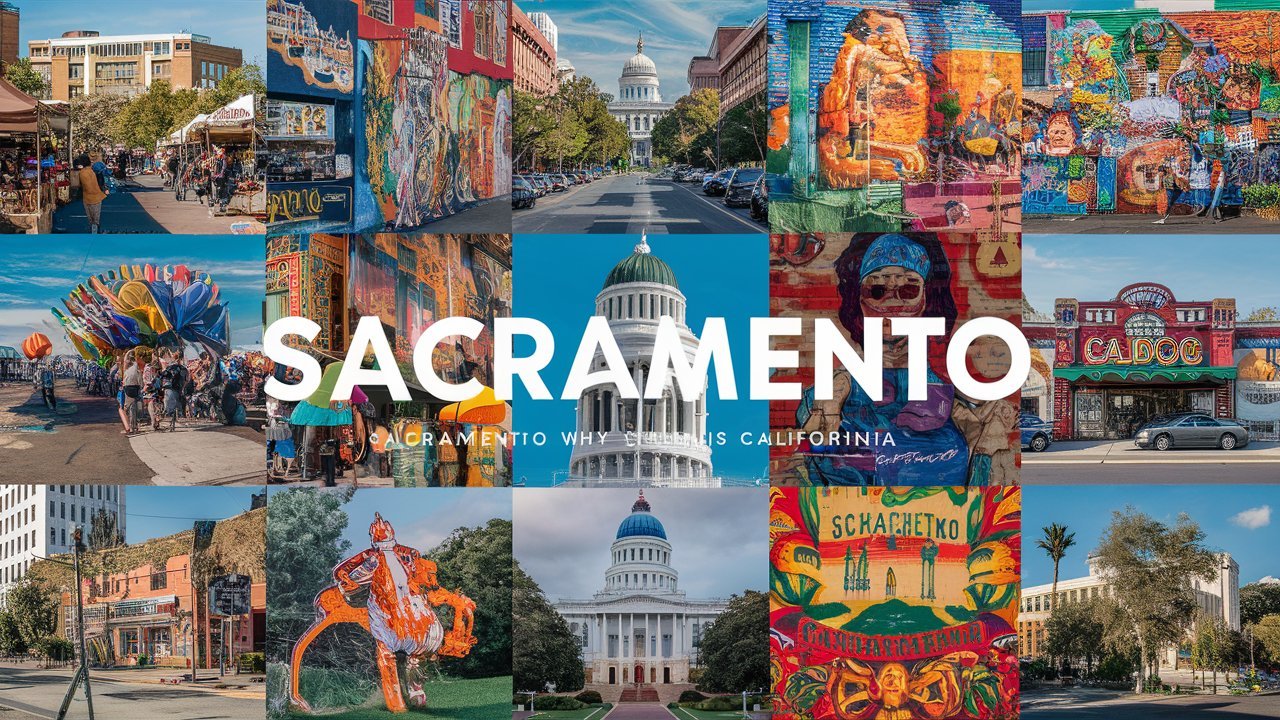
Introduction
Sacramento is one of the most important cities in California and serves as the state’s capital. Located in Northern California at the confluence of the Sacramento and American Rivers, the city combines rich historical significance with modern urban development. While cities like Los Angeles and San Francisco often receive global attention, Sacramento has steadily grown into a thriving destination known for government, culture, education, business opportunities, and outdoor recreation. Its strategic location, diverse population, and expanding economy have made it one of the most attractive places to visit, work, and live in California.
Over the years, Sacramento has transformed from a Gold Rush-era settlement into a vibrant metropolitan center. Today, the city is recognized for its tree-lined streets, farm-to-fork culinary movement, historic landmarks, museums, parks, and growing technology sector. Whether someone is planning a vacation, considering relocation, researching California history, or exploring business opportunities, Sacramento offers a unique combination of heritage and innovation. Understanding what makes Sacramento special provides valuable insight into why it continues to attract millions of visitors and new residents each year.
Where Is Sacramento Located?
Sacramento is situated in Northern California approximately 90 miles northeast of San Francisco and around 380 miles north of Los Angeles. The city lies within the fertile Sacramento Valley, one of the most productive agricultural regions in the United States.
Its location offers several advantages. Residents enjoy access to the San Francisco Bay Area, Lake Tahoe, Napa Valley, and the Sierra Nevada Mountains. This central position makes Sacramento an important transportation, economic, and governmental hub within California.
The city’s riverfront setting also contributes to its natural beauty and recreational opportunities, making it an appealing destination for outdoor enthusiasts.
The History of Sacramento
Sacramento’s history dates back thousands of years before European settlement when Native American communities inhabited the region. The area’s modern development accelerated during the California Gold Rush of 1848, which brought thousands of prospectors and entrepreneurs seeking wealth and opportunity.
The city was officially founded by Swiss immigrant John Sutter, whose settlement played a major role in California’s early development. As miners traveled through the region, Sacramento quickly became a commercial center supplying goods and services to Gold Rush communities.
By 1854, Sacramento was designated as California’s permanent state capital. Since then, it has served as the center of state government while continuing to grow as an economic and cultural center.
The city’s historical significance remains visible through preserved landmarks, museums, and districts that celebrate its role in shaping California’s development.
Why Sacramento Is Famous
Sacramento is famous for several reasons that distinguish it from other California cities.
First, it serves as the political heart of California, housing the state government and the California State Capitol. Legislative decisions that impact millions of residents are made within the city.
Second, Sacramento is known for its Gold Rush heritage. Historic sites throughout the city preserve stories from one of the most transformative periods in American history.
Third, the city has earned recognition as America’s Farm-to-Fork Capital due to its proximity to productive farmland and emphasis on fresh, locally sourced cuisine.
Finally, Sacramento has gained popularity for its quality of life, affordable housing compared to coastal California cities, and growing job market.
Top Attractions in Sacramento
California State Capitol
The California State Capitol is one of Sacramento’s most iconic landmarks. Visitors can explore historic chambers, learn about California’s political history, and enjoy beautiful gardens surrounding the building.
The Capitol serves as both a functioning government building and a museum that attracts tourists from around the world.
Old Sacramento Waterfront
Old Sacramento offers a glimpse into the city’s Gold Rush past. Wooden sidewalks, historic buildings, museums, shops, and riverfront views create a unique atmosphere that combines education with entertainment.
Visitors can explore preserved architecture while learning about Sacramento’s role in California’s early history.
California State Railroad Museum
The California State Railroad Museum is one of the most respected railroad museums in North America. Its exhibits showcase historic locomotives, railway technology, and the impact of rail transportation on the development of the American West.
Families, history enthusiasts, and transportation fans often consider it a must-see destination.
Sacramento Zoo
The Sacramento Zoo features a diverse collection of animals and educational exhibits. The facility provides opportunities for visitors to learn about wildlife conservation while enjoying family-friendly experiences.
The zoo remains a popular attraction for both residents and tourists.
Crocker Art Museum
The Crocker Art Museum is one of the oldest art museums in the western United States. Its collections include California art, European masterpieces, contemporary works, and educational programs that support the region’s cultural development.
Things to Do in Sacramento
Sacramento offers activities for visitors of all interests.
Popular options include:
- Exploring historic districts
- Visiting museums
- Taking river cruises
- Enjoying farm-to-fork dining
- Attending festivals and events
- Cycling along scenic trails
- Touring local wineries
- Visiting farmers markets
- Exploring public parks
- Watching professional sports
The city’s variety of attractions makes it suitable for families, couples, solo travelers, and business visitors alike.
Sacramento’s Economy
Sacramento’s economy is diverse and continues to expand. While government employment remains a major economic driver, several other industries contribute significantly to local growth.
Key sectors include:
- Government services
- Healthcare
- Education
- Technology
- Agriculture
- Construction
- Financial services
- Tourism
The city’s growing technology presence has attracted startups and established companies seeking lower costs than those found in Silicon Valley.
This economic diversification supports long-term stability and job creation.
Living in Sacramento
Many people choose Sacramento because it offers a balance between urban amenities and affordability. Compared to many coastal California cities, housing costs are generally lower, though prices have increased in recent years due to population growth.
Residents benefit from:
- Diverse neighborhoods
- Strong educational institutions
- Access to outdoor recreation
- Cultural attractions
- Career opportunities
- Mild climate
- Family-friendly communities
The city’s quality of life continues to attract professionals, families, and retirees from across the country.
Sacramento’s Climate
Sacramento experiences a Mediterranean climate characterized by hot, dry summers and mild, wet winters.
Summer temperatures frequently exceed 90°F, while winter temperatures are generally moderate. The region receives most of its rainfall between late fall and early spring.
The favorable climate allows residents to enjoy outdoor activities throughout much of the year.
Food and Dining in Sacramento
Sacramento has become nationally recognized for its culinary scene. The city’s Farm-to-Fork movement emphasizes fresh ingredients sourced from nearby farms, ranches, and vineyards.
Visitors can enjoy:
- Farm-to-table restaurants
- International cuisine
- Local wineries
- Craft breweries
- Farmers markets
- Food festivals
The combination of agricultural abundance and culinary innovation has established Sacramento as a leading food destination.
Education in Sacramento
Education plays a significant role in the city’s development. Sacramento is home to numerous public and private schools, community colleges, and universities.
Institutions provide opportunities for academic advancement, workforce development, and research, supporting both local residents and regional industries.
The presence of higher education institutions contributes to economic growth and innovation.
The Future of Sacramento
Sacramento continues to experience population growth, economic expansion, and infrastructure investment. City leaders are focused on sustainable development, transportation improvements, housing solutions, and business attraction initiatives.
As California evolves, Sacramento is expected to play an increasingly important role in government, technology, healthcare, and regional economic development.
Its combination of affordability, opportunity, and strategic location positions the city for continued success in the coming decades.
Conclusion
Sacramento stands as one of California’s most important and dynamic cities. As the state capital, it serves as a center of government while also offering rich history, cultural attractions, economic opportunity, and an exceptional quality of life. From its Gold Rush origins to its modern role as a growing metropolitan area, Sacramento continues to evolve while preserving the heritage that shaped its identity. Whether visiting for tourism, considering relocation, or researching California history, Sacramento provides a unique blend of tradition, innovation, and community that makes it a truly remarkable destination.

Introduction
Happy hour has become one of the most recognizable traditions in the restaurant, hospitality, and entertainment industries. Whether people are looking to relax after work, meet friends for a casual gathering, enjoy discounted food and beverages, or simply experience a lively social atmosphere, happy hour offers an appealing opportunity to do so at a lower cost. Today, restaurants, bars, lounges, hotels, and entertainment venues around the world use happy hour promotions to attract customers during slower periods and create a welcoming environment that encourages social interaction and customer loyalty.
The popularity of happy hour extends beyond simple discounts. It has evolved into a cultural phenomenon that combines affordability, social connection, dining experiences, and entertainment. Many establishments create specialized happy hour menus featuring appetizers, snacks, mocktails, beverages, and exclusive promotions that cannot be found during regular operating hours. Understanding what happy hour is, how it originated, and why it remains so popular can help consumers make the most of these promotions while appreciating their role in modern hospitality and dining culture.
What Is Happy Hour?
Happy hour is a designated period during which restaurants, bars, cafes, hotels, and other hospitality venues offer discounted prices on selected menu items. These discounts may apply to beverages, appetizers, snacks, desserts, or complete meal combinations.
The primary goal of happy hour is to attract customers during off-peak business hours. By offering special pricing and exclusive promotions, businesses encourage more visitors to dine, socialize, and spend time at their establishments. Customers benefit from reduced prices, while businesses increase traffic and revenue during periods that might otherwise be less busy.
Happy hour promotions can vary significantly between locations, industries, and regions, but the general concept remains the same: providing customers with additional value for a limited time.
History of Happy Hour
The term “happy hour” has an interesting history that predates its association with restaurants and bars. Historical accounts suggest that the phrase was used by the United States Navy in the early twentieth century to describe scheduled recreational activities designed to improve morale among sailors.
Over time, the hospitality industry adopted the term to describe periods of discounted offerings. During the mid-twentieth century, restaurants and bars began using happy hour promotions as a marketing strategy to attract customers before traditional dinner hours. The concept quickly gained popularity and spread throughout the hospitality industry.
Today, happy hour has become a standard business practice used by establishments worldwide to attract guests and create memorable customer experiences.
Why Is Happy Hour So Popular?
Happy hour remains popular because it provides benefits for both customers and businesses. Consumers enjoy lower prices and a relaxed atmosphere, while businesses gain additional opportunities to attract guests and generate sales.
For many people, happy hour serves as a transition between work and personal time. It offers a chance to unwind, socialize, network, and enjoy quality food and beverages without spending as much money as they might during regular hours. The combination of affordability and social engagement continues to drive the popularity of happy hour promotions.
Additionally, many establishments enhance the experience with live entertainment, themed events, music, and special menu offerings that create a more enjoyable atmosphere.
Common Happy Hour Deals
Discounted Beverages
One of the most recognized aspects of happy hour is discounted beverage pricing. Establishments often reduce prices on selected menu items during specific hours to attract customers and encourage visits during slower periods.
These promotions can include a variety of beverage options, depending on the venue and local regulations.
Reduced-Price Appetizers
Many restaurants offer appetizers at reduced prices during happy hour. Popular options often include:
- Nachos
- Sliders
- Wings
- Flatbreads
- Mozzarella sticks
- Spring rolls
- Loaded fries
These smaller dishes encourage customers to sample multiple menu items while enjoying significant savings.
Combo Deals
Some establishments create bundled offers that combine food and beverages into a single discounted package. These promotions provide excellent value and encourage customers to stay longer while exploring additional menu items.
Combo deals are particularly popular among groups and social gatherings because they simplify ordering and maximize savings.
Benefits of Happy Hour for Customers
Cost Savings
The most obvious advantage of happy hour is reduced pricing. Customers can enjoy many of their favorite menu items at significantly lower prices compared to regular dining hours.
For frequent diners, these savings can accumulate substantially over time, making happy hour an attractive option for budget-conscious consumers.
Social Opportunities
Happy hour often serves as a social gathering period where friends, family members, coworkers, and professionals meet in a relaxed setting. The atmosphere encourages conversation, networking, and relationship building.
Many business professionals also use happy hour gatherings to strengthen workplace relationships and connect with clients in a more informal environment.
Opportunity to Explore New Menu Items
Discounted pricing allows customers to try new dishes and menu items they may not otherwise order. This encourages culinary exploration and often introduces guests to signature offerings from restaurants and hospitality venues.
As a result, happy hour becomes a valuable opportunity for both customer discovery and business promotion.
Benefits of Happy Hour for Businesses
Happy hour promotions provide several important advantages for businesses operating in competitive markets.
Increased Customer Traffic
By offering special promotions during slower periods, businesses can attract guests who might not otherwise visit.
Higher Revenue During Off-Peak Hours
Even though prices may be discounted, increased customer volume often helps businesses generate additional revenue during less busy times.
Customer Loyalty
Positive happy hour experiences encourage repeat visits and strengthen customer relationships. Guests who enjoy a venue’s atmosphere and offerings are more likely to return for future dining experiences.
Brand Awareness
Special events and promotions help businesses increase visibility and attract new customers who may become long-term patrons.
Happy Hour Trends in Modern Hospitality
The concept of happy hour continues to evolve as customer preferences change. Modern trends include healthier menu options, alcohol-free beverages, specialty coffees, gourmet appetizers, and family-friendly promotions.
Many establishments now focus on creating unique experiences rather than relying solely on discounts. Interactive events, themed nights, live entertainment, and chef-inspired menus have become increasingly common.
Digital marketing and social media have also transformed how businesses promote happy hour offerings. Customers can quickly discover promotions through websites, mobile apps, and social platforms.
Tips for Getting the Most Out of Happy Hour
Consumers can maximize their happy hour experience by following a few practical strategies.
Research local venues and compare promotions before visiting. Many establishments publish their happy hour menus online, making it easy to identify the best deals.
Arriving early can help secure seating, especially at popular locations. Reading menus in advance also allows guests to plan their orders and take full advantage of available discounts.
Additionally, customers should pay attention to the specific hours during which promotions apply, as happy hour schedules vary between establishments.
The Future of Happy Hour
As the hospitality industry continues to evolve, happy hour is likely to remain an important marketing and customer engagement strategy. Consumers increasingly value experiences, affordability, and convenience, making happy hour promotions particularly attractive.
Future trends may include personalized offers, app-based rewards programs, sustainable menu options, and expanded family-oriented promotions. Businesses that adapt to changing consumer preferences while maintaining value-driven experiences will likely continue to benefit from the enduring popularity of happy hour.
Conclusion
Happy hour has grown from a simple promotional concept into a significant part of modern dining and hospitality culture. By offering discounted food, beverages, and special menu items during designated hours, businesses create opportunities for customers to enjoy quality experiences at lower prices. The combination of affordability, social interaction, entertainment, and culinary exploration helps explain why happy hour remains popular around the world. Whether individuals are meeting friends after work, networking with colleagues, or simply looking for great value, happy hour continues to provide an enjoyable and rewarding experience for both customers and businesses.


 Law2 months ago
How Justin Billingsley Supports Greene Law’s Operations
- Tech2 months ago
Sparx Science: The Complete Guide to Interactive Science Learning, Features, Benefits, and Student Success
- Business2 months ago
Business Storage Ideas: Secure, Affordable, and Scalable Solutions
- Blog2 months ago
Gail Ernst: Everything You Need to Know
- Business2 months ago
How to Choose the Perfect Business Casual Shoes for Work
- Lifestyle2 months ago
Itzhak Ezratti Wife: Everything Publicly Known About His Family, Marriage, and Private Life
- Tech3 months ago
How to Resolve Couldn’t Verify Mi Account ID Errors on Xiaomi Devices
- Sports3 months ago
Endrick Career Journey: From Youth Talent to Global Football Star